
Views: 0 Author: Site Editor Publish Time: 2026-05-01 Origin: Site


Decoding wedding guest dress codes often triggers instant anxiety. You want to look stunning without committing a fashion faux pas. Many guests wonder if a long gown feels too relaxed, too flashy, or overly formal for the occasion. When the invitation arrives, panic sets in over hemline rules. Let us provide the definitive answer right now. Yes, maxi dresses are entirely appropriate for weddings. You simply need to ensure they align perfectly with the event’s specific formality. This article provides a clear, actionable decision-making framework. You will learn how to evaluate fabric choices, dress fit, and formal dress codes effectively. We will cover practical hemming rules for outdoor venues and highlight strict etiquette boundaries you must never cross. By the end, you can confidently select and style a beautiful floor-length piece for any wedding scenario.
Fabric dictates formality: Silk, satin, and chiffon elevate a maxi dress for formal weddings, while cotton and jersey are strictly for casual or daytime events.
Dress codes define the hemline rules: Floor-sweeping lengths fit Black-Tie, while ankle-length or high-low maxis suit Semi-Formal and Cocktail codes.
Venue logistics matter: Outdoor, beach, and garden weddings require practical considerations for hemlines and footwear (e.g., avoiding stilettos on grass).
Etiquette boundaries remain strict: Avoid white, ivory, overly casual prints, and excessively revealing cuts, regardless of the dress length.
Everyday beachwear and formal evening wear often share the exact same length. The primary differences lie in material quality and construction. Establishing baseline evaluation criteria helps you separate casual summer staples from wedding-appropriate options.
Fabric always dictates the formality of a garment. When you shop for a long gown, you must look closely at the material composition. The right fabric instantly elevates the silhouette.
Pass: Chiffon, silk, satin, crepe, and velvet (for winter). These materials drape elegantly across the body. They catch the light beautifully and reflect a distinctly formal aesthetic.
Fail: Jersey knit, everyday cotton, denim, or linen. Unless the invitation explicitly states a casual beach wedding, these fabrics fall flat. They look too relaxed for a celebratory ceremony.
Here is a quick reference table to help you categorize dress fabrics by formality:
Fabric Type |
Formality Level |
Key Characteristics |
|---|---|---|
Silk & Satin |
Black-Tie / Formal |
High sheen, fluid drape, luxurious finish |
Chiffon |
Semi-Formal / Formal |
Lightweight, sheer overlay, breathable |
Velvet |
Formal (Winter) |
Heavy weight, rich texture, warm |
Cotton & Jersey |
Strictly Casual |
Matte finish, everyday stretch, highly casual |
Beyond the material, examine the silhouette carefully. Compare a structured, fitted bodice against a loose, smocked sundress style. A wedding guest outfit must look intentional. Tailoring signals respect for the occasion. Look for defined waistlines, strategic pleating, or hidden zippers. Smocked backs, elastic waists, and unlined skirts often lean too casual for formal gatherings.
Ask yourself one simple question. Could you easily wear this dress to a weekend brunch or a grocery run? If the answer is yes, it is likely too casual for a wedding. You want your outfit to feel special. It should stand distinctly apart from your daily wardrobe rotation.
Dress codes offer the most concrete clues for your outfit. You can adapt maxi dresses to almost any requirement if you understand the underlying expectations. Here is a direct matching matrix connecting long dresses to specific event rules.
Criteria: The dress must touch the floor. Black-tie events demand ultimate elegance, making a true evening gown standard.
Execution: Choose jewel tones, deep neutrals, or elegant metallics. Look for elevated details. Tasteful draping, cowl necklines, or subtle beadwork work beautifully. Avoid loud, chaotic patterns. Solid colors usually project a higher level of sophistication in formal settings.
Criteria: While midi dresses represent the standard here, you can wear longer styles if you style them down slightly. You want to avoid looking like you belong at a royal gala.
Execution: Opt for ankle-length or high-low hemlines. Showing your shoes reduces the heavy "ballgown" effect. Elevated floral prints work exceptionally well here. A silk high-low dress bridges the gap between formal length and cocktail-appropriate movement.
Criteria: The vibe is relaxed but respectful. You are still attending a major life event, so avoid looking sloppy.
Execution: Embrace lighter colors and breathable materials. Simpler silhouettes shine here. A refined crepe or a high-quality georgette keeps the look polished without feeling overdressed.
Criteria: Movement and climate compatibility take absolute priority. The dress must survive heat, humidity, and coastal breezes.
Execution: Flowy chiffon and vibrant colors fit perfectly. Ensure hemlines safely accommodate flat sandals or wedges. You do not want heavy satin weighing you down under a tropical sun.
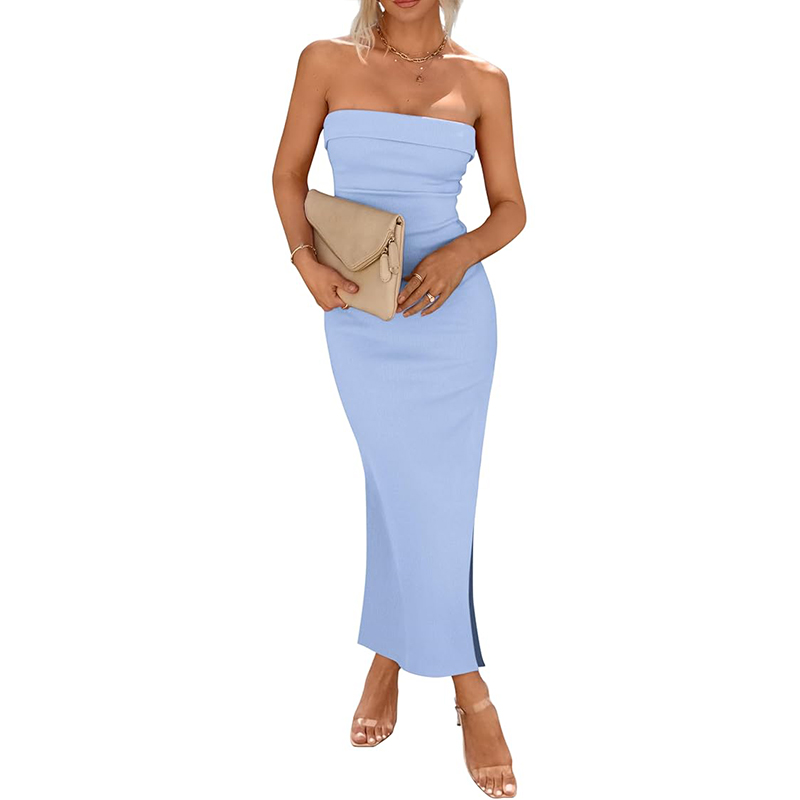
Wearing a long gown introduces practical realities. You must manage how the fabric interacts with the environment. Let us explore real-world logistics to ensure comfort and grace throughout the celebration.
The location dictates your shoe choice. Your shoes, in turn, dictate how the dress hangs.
Garden/Outdoor: Stilettos will inevitably sink into the mud. Match your dress with block heels or stylish wedges. These provide necessary stability on uneven grass.
Beach: Sand strictly requires flat sandals. Navigating dunes in heels looks awkward and invites twisted ankles.
Never guess the hemline. Long gowns rarely fit perfectly off the rack. Follow these steps for flawless tailoring:
Purchase the exact shoes you plan to wear to the wedding.
Bring these shoes to your alteration appointment.
Have the tailor pin the dress while you wear the shoes.
Aim for a hem that hovers roughly one inch off the floor for indoor formal events, or slightly higher for outdoor venues.
Always tailor the dress to prevent tripping on the dance floor. You also want to avoid dragging expensive fabric through dirt.
Account for seasonal realities. Heavy fabrics like velvet or thick satin can lead to visible discomfort in summer. Conversely, lightweight chiffon in autumn requires proper outerwear planning. Always check the forecast a week prior. Prepare a backup layer if temperatures drop unexpectedly.
Even a beautifully tailored gown can fail if it breaches core wedding etiquette. Understanding strict boundaries mitigates social risks. It shows profound respect for the couple on their big day.
This rule remains absolute. No white, ivory, cream, or champagne. Do not try to justify a white dress with a floral pattern. If the base color is white, leave it in the closet. Additionally, avoid matching the exact color of the bridesmaid dresses if known. You do not want to look like a lost member of the wedding party.
Balance the dress proportions. Deep plunging necklines or extreme thigh-high slits combined with a floor-length hem can read as "red carpet" rather than "wedding guest." A wedding is a family event. Celebrate your personal style, but keep the focus on the couple. If the dress features a very high slit, ensure the neckline remains relatively modest.
Pay attention to the ceremony venue. Traditional religious venues often require specific modesty standards. For Catholic churches, Hindu temples, or Jewish synagogues, ensure your outfit allows for covered shoulders. You can achieve this via the dress design itself or a planned wrap. Research the specific cultural expectations ahead of time to avoid any uncomfortable moments at the door.
Completing the look requires strategic styling. The wrong jacket or bag can disrupt the elegant flow of your outfit. Here is how to accessorize correctly to maximize your impact.
Avoid mid-length cardigans. They cut your body in half and disrupt the dress's long, continuous lines. Instead, you need pieces that complement the silhouette.
Opt for: Tailored cropped blazers. They define the waist beautifully and add structure.
Elegant pashmina shawls provide warmth without adding bulk.
Light silk wraps work wonderfully for breezy summer evenings.
Structural boleros add architectural interest while modestly covering the shoulders.
Your jewelry, shoes, and hair should reflect the time of the event. Here is a helpful chart detailing daytime versus evening styling recommendations:
Styling Element |
Daytime Wedding |
Evening / Formal Wedding |
|---|---|---|
Jewelry |
Minimalist, delicate pieces (studs, thin pendants) |
Statement pieces (chandelier earrings, bold cuffs) |
Footwear |
Sophisticated block sandals or elegant flats |
Metallic strappy heels or sleek pumps |
Handbag |
Small crossbody or soft woven clutch |
Structured minaudière or metallic clutch |
Hairstyle |
Soft, romantic waves or loose braids |
Polished updos (chignons) to showcase the neckline |
Long gowns are highly versatile and universally appropriate for weddings. You simply must evaluate them correctly for fabric, fit, and dress code. A floor-length gown in silk or chiffon easily meets black-tie standards. Meanwhile, a tailored ankle-length hem suits cocktail hours perfectly. Always remember the importance of venue awareness. Grass and sand demand specific footwear, which in turn dictates your tailoring needs. Proper hemming prevents accidents and keeps your outfit looking pristine.
Now it is time to take action. First, review the couple's wedding website for exact dress code specifics and venue details. Next, begin shortlisting your options based on the fabric guidelines and venue frameworks we discussed. Choose your accessories wisely, book your tailor early, and enjoy the celebration in flawless style.
A: Yes. Petite guests should look for tailored waists and consider high-low hemlines or a slit to avoid being swallowed by the fabric. Proper hemming is non-negotiable.
A: Yes, but opt for "moody florals" (darker backgrounds with rich jewel tones) and formal fabrics like chiffon or silk, rather than bright, tropical daytime prints.
A: Yes, particularly for beach or garden weddings. Ensure the dress is specifically hemmed for flats so the fabric lightly grazes the top of the shoe without dragging on the ground.


