
Views: 0 Author: Site Editor Publish Time: 2026-05-11 Origin: Site


Maxi dresses offer effortless comfort and instant style. However, pairing the wrong footwear can quickly ruin the silhouette. You might face hemline dragging or create a highly disproportionate look. We must bridge the gap between the dress fabric, your height, and the specific occasion. A poor shoe choice turns a polished outfit into a major styling liability. This definitive framework helps you evaluate the best shoes for varying seasons, materials, and formality levels. You will learn how to confidently finalize your footwear choices for any long dress. Finding the right pairing can feel overwhelming when considering shifting footwear trends. We will strip away the confusion and focus strictly on timeless proportion rules. Ultimately, you will know exactly how to ground your favorite long hemlines seamlessly. Mastering this daily styling skill ensures you look polished and put-together instantly.
Proportion is primary: The ideal footwear leaves the hem of the dress skimming just above the floor or the top of the shoe (typically a 0.5 to 1-inch clearance).
Match fabric weight to footwear: Delicate fabrics (silk, chiffon) require lightweight shoes (strappy heels, thin sandals), while heavy fabrics (knits, denim) pair best with structured footwear (boots, platform sneakers).
Occasion dictates structure: Swap casual slides for structural wedges or block heels to instantly transition a maxi dress from daytime utility to wedding-guest ready.
Avoid the "calf-cut": Mid-calf boots and overly chunky athletic running shoes often disrupt the continuous line of a maxi dress, creating a heavy, disjointed look.
Every successful outfit relies on solid foundational mechanics. You must evaluate hemline clearance, fabric mapping, and height considerations. These three pillars dictate visual balance. Ignoring them leads to sloppy silhouettes.
You must establish the ideal dress-to-shoe ratio. A hem sweeping the floor creates a severe tripping hazard. It also damages delicate fabrics quickly. Aim for a 0.5 to 1-inch clearance above the floor. This gap keeps the fabric clean. It also allows the shoe to peek out naturally as you walk. If your garment runs too long, leverage heel height. Incorporate platforms or solid wedges. This corrects the length without requiring permanent tailoring.
Visual weight matters immensely in fashion. Heavy fabrics overpower delicate shoes. Thin fabrics clash against bulky footwear. You must map your shoe choice to the garment silhouette carefully. Consider these specific pairings:
Flowy and Boho Styles: These garments demand earthy textures. Pair them seamlessly alongside soft leather sandals. Suede booties also complement the relaxed drape beautifully.
Sleek and Slip Silhouettes: Silk and satin require minimalist designs. Opt for barely-there heels. Pointed mules also maintain the streamlined aesthetic perfectly.
Tiered and Voluminous Skirts: Extra fabric generates heavy visual weight. You need a grounding shoe to balance this volume. Platform sandals or classic structured sneakers work exceptionally well here.
Your natural height influences optimal shoe selection. Petites face the risk of looking swallowed by excess fabric. Taller individuals must avoid looking disproportionately anchored. Petites benefit immensely from pointed-toe silhouettes. The pointed tip extends the visual leg line effortlessly. This elongates the entire frame. Taller individuals enjoy more flexibility. They can leverage flat slides easily. They can also wear rounded toes without losing outfit proportion.
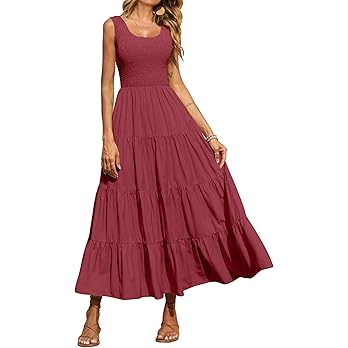
Daytime styling demands comfort. However, you should never sacrifice polish. You can achieve a refined daytime look easily. You just need the right flat or low-profile footwear.
White low-top sneakers form the ultimate smart-casual uniform. They add a modern edge to flowing garments. You must choose sleek, leather sneakers carefully. Avoid mesh athletic running shoes entirely. Leather maintains a crisp, polished aesthetic. Mesh runners look too much like a gym commute. A clean white sneaker anchors voluminous cotton seamlessly. It keeps the outfit youthful but intentional.
Strappy sandals reign as the ultimate summer staple. They provide essential ventilation. They also keep the outfit visually light. However, you must differentiate between structured leather sandals and rubber flip-flops. Structured leather adds necessary refinement. It shows stylistic effort. Rubber flip-flops remain strictly informal. You should reserve them exclusively for poolside or beach wear.
Many struggle to transition flowing garments into professional spaces. Mules and loafers bridge this gap beautifully. They serve as the perfect office-to-weekend choice. A pointed or almond-toe mule elevates a simple cotton garment instantly. This pairing ensures workplace compliance. It covers the toes while remaining easy to slip on. Loafers add a slightly preppy structure. This structure contrasts wonderfully against relaxed, breezy fabrics.
Casual Shoe Selection Table
Shoe Type | Best Fabric Match | Ideal Scenario | Styling Tip |
|---|---|---|---|
Leather Sneakers | Cotton, Jersey, Denim | Weekend errands, travel | Keep them pristine white for polish. |
Flat Leather Sandals | Linen, Chiffon, Rayon | Brunch, summer walks | Choose tan or metallic for versatility. |
Pointed Mules | Poplin, Silk blends | Casual office, dinners | Use a pointed toe to elongate legs. |
Special occasions require structural elevation. You need shoes that project formality. You also need footwear that accommodates long hours of wear. Elevating your stature prevents delicate hems from dragging. It also dramatically improves your posture.
Outdoor weddings present unique footwear challenges. Espadrille wedges offer the ultimate outdoor event solution. They provide essential functional benefits. They give you the height needed for long hemlines. More importantly, the solid base prevents sinking into the grass. Stilettos sink into soft lawns instantly. Wedges allow you to navigate garden parties confidently. They pair wonderfully with floral prints and lightweight summer fabrics.
Block heels offer an exceptional balance of comfort and formality. They feature a wider base. This design distributes your body weight evenly. They remain vastly easier to walk in than traditional stilettos. This makes them ideal for long-duration wear. You can stand through formal events without foot fatigue. A neutral block heel grounds vibrant patterns beautifully. It never distracts from the main garment.
Sometimes you need maximum glamour. Strappy stiletto sandals deliver this exact aesthetic. They remain best reserved for formal, slit-leg garments or evening gowns. The minimal footwear design lets the garment remain the primary focal point. Thin straps expose the foot elegantly. This creates a highly sophisticated, elongated silhouette. Stick to metallic tones or classic black for maximum impact.
Styling Chart: Formality and Function Matrix
Footwear Style | Formality Level | Comfort Rating (1-10) | Primary Benefit |
|---|---|---|---|
Stiletto Sandals | High Formal / Black Tie | 4 | Maximum elongation |
Block Heels | Cocktail / Semi-Formal | 7 | Stability on hard floors |
Wedges | Smart Casual / Outdoor | 8 | Grass and gravel friendly |
Many people pack away their long garments when temperatures drop. This is a missed styling opportunity. Maxi dresses transition beautifully into autumn and winter. You just need proper boot pairings. The right boot adds warmth and heavy textural interest.
Ankle booties represent the easiest transitional footwear. You must understand the mechanics of pairing ankle boots properly. The hem should slightly cover the top of the boot shaft. This specific overlap maintains a continuous, elongating line. If the hem falls above the boot, it creates a visual gap. This gap shortens the leg dramatically. Always opt for a pointed or almond toe. Round, bulbous toes look clunky under flowing fabric.
Cold-weather utility demands serious coverage. Knee-high and slouch boots solve this perfectly. Wearing tall boots underneath long fabric provides incredible warmth. This clever layering eliminates the need for visible tights entirely. Furthermore, it offers a highly trendy, 70s-inspired aesthetic. The boots peek out subtly as you walk. This creates beautiful movement and intriguing texture contrasts.
Winter fashion relies on balancing visual density. You must advise your pairings carefully. Pair heavier winter garments, like wool or ribbed knits, with robust footwear. Sturdy leather or thick suede balances the outfit's visual weight perfectly. Do not pair heavy wool with flimsy, delicate boots. The outfit will look top-heavy and poorly conceived. Match heavy fabrics with heavy leathers.
Even beautiful garments fail when paired incorrectly. Certain shoe styles clash fundamentally with long hemlines. Understanding these risks prevents awkward silhouettes. You must avoid specific pairings to maintain outfit harmony.
We discussed sleek sneakers earlier. However, chunky dad sneakers present a severe styling clash. Highly technical athletic shoes disrupt the feminine drape instantly. Their bulky soles and complex mesh patterns fight against soft fabrics. This creates a confused styling intent. The outfit looks accidental rather than curated. Always choose streamlined casual shoes instead.
The mid-calf boot creates the dreaded "calf-cut." This visual break destroys leg elongation. A dark, mid-calf boot visible through a sheer overlay creates an awkward focal point. It draws the eye directly to the widest part of the calf. This makes the leg look heavy and disjointed. Always choose either an ankle bootie or a full knee-high boot instead.
Fashion demands clear focal points. You must respect the rule of competing visual elements. If the garment features a loud floral or geometric print, the shoe must remain quiet. It must act as a neutral, unembellished anchor. Pairing crystal-encrusted heels with a heavily patterned garment causes visual chaos. Let the loudest piece breathe. Keep the footwear minimal when the fabric is busy.
Matching shoes to maxi dresses comes down to mastering three distinct variables. You must manage hemline clearance carefully. You must balance the fabric weight appropriately. Finally, you must match the occasion's formality perfectly. Following these principles guarantees a polished look every single time.
Your next step involves a simple closet audit. Review your current footwear against the long garments in your wardrobe. Ensure you own versatile foundational pieces. We recommend investing in two key pairs first. Secure a clean white leather sneaker for daytime utility. Next, purchase a neutral block-heel or wedge for elevated events. These two items cover the vast majority of styling scenarios seamlessly.
A: Yes, provided the dress does not drag heavily on the floor. You must opt for elevated materials. Choose metallic, embellished, or patent leather flats. These textures maintain a formal aesthetic. Avoid basic casual leather or rubber sandals completely.
A: For a quick short-term fix, simply wear a higher wedge or platform shoe. This lifts the hem instantly. For a permanent long-term fix, have the garment professionally tailored. Ask the tailor to hem it exactly one inch above your preferred everyday shoe.
A: Yes, particularly for transitional weather or evening outdoor festivals. You should stick strictly to lighter colors and breathable materials. Tan suede or perforated leather works best. Dark, heavy leather boots look too visually dense for lightweight summer fabrics.


