
Views: 0 Author: Site Editor Publish Time: 2026-05-09 Origin: Site


Layering outerwear over floor-sweeping hemlines often creates a frustrating, bulky silhouette. You put on a beautiful dress, add your favorite jacket, and suddenly you feel entirely swallowed by fabric. This common layering problem plagues many daily outfits. We need outerwear to stay warm outside. However, we hate sacrificing the elegant proportions of the underlying outfit. This guide provides a clear, rule-based framework. You will learn to evaluate jacket lengths, materials, and fits easily. We want you to stay warm without ruining your look. We move beyond generic fashion advice. Instead, we deliver specific structural rules to follow. You will master the "extreme contrast" rule. You will also discover practical styling techniques. These actionable methods work for various body types. They also adapt perfectly to unpredictable weather conditions. Stop guessing in front of your mirror and start building cohesive outfits confidently.
Proportions are Everything: Successful pairings rely on extreme lengths—choose jackets that either hit exactly at the natural waist (cropped) or match the hemline of the dress (full-length).
Avoid the Awkward Middle: Mid-thigh or knee-length coats cut the body at the wrong visual points, creating a disproportionate, boxy look.
Contrast is Key: Pair flowy, feminine maxi dresses with structured, rigid outerwear (like leather or denim) to create visual balance.
Styling Alters Fit: Techniques like shoulder-draping or exterior belting can instantly fix a jacket that feels too bulky for a sleek dress.
Many women struggle when matching coats to long garments. We call this common frustration the "potato sack" risk. Mid-length jackets often catch awkwardly on the hips. This ruins the long, lean line of most maxi dresses. Pear-shaped and curvy figures suffer the most from this mistake. The jacket fabric bunches up around the widest part of the lower body. It visually widens the hips unnecessarily. The outfit loses its intentional shape and looks sloppy. We need a reliable length evaluation framework to solve this.
The secret lies in adopting an extreme approach to hem lengths. You must choose one of two structural paths. The first option is the Cropped Approach. Jackets must hit exactly at the natural waist. This spot represents the narrowest part of the human torso. A cropped hem defines the silhouette immediately. It also artificially elongates the legs. The second option is the Full-Length Approach. Coats should drop all the way down to the ankle. This length directly mirrors the hemline of the dress. It creates a cohesive, dramatic column effect. This continuous vertical line makes you look taller and more elegant.
To master this framework, you must memorize the "Avoid" list. Certain garments will actively fight against your long silhouettes. Keep away from these middle-ground lengths:
Hip-length cardigans: They cling to the hips and erase your natural waistline entirely.
Standard tunics: The relaxed fit drags the eye downward to the upper thighs.
Knee-length coats: They visually chop the lower half of the body in half.
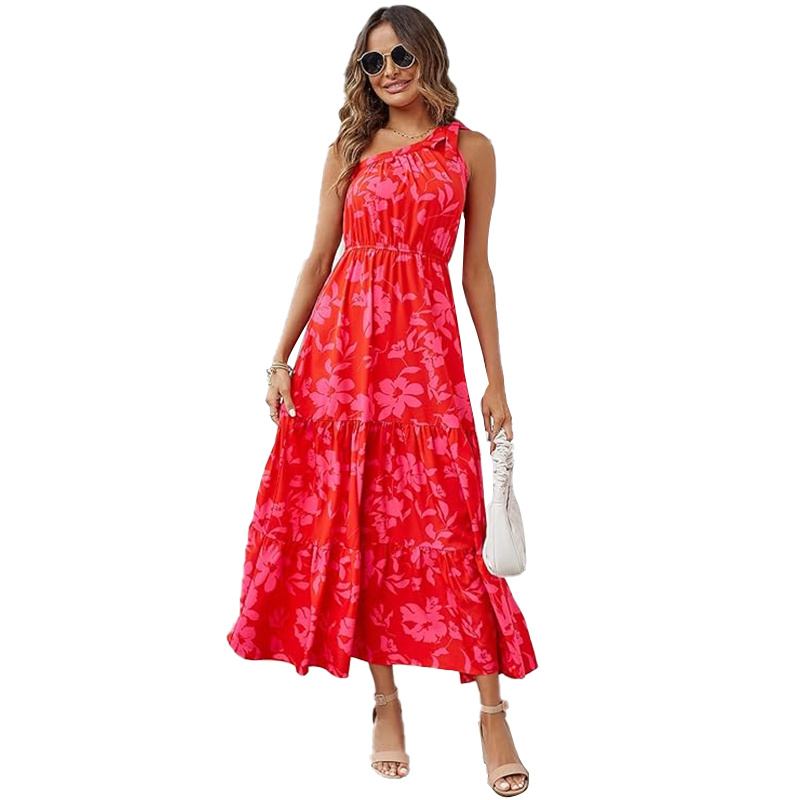
You do not need a massive closet to style long garments properly. You only need a few strategic investments. Each category below serves a specific aesthetic and functional purpose. We organize these recommendations by style to simplify your shopping process.
This classic piece works best for slip dresses and floral prints. It also serves flawlessly during transitional weather in spring or autumn. Our evaluation logic relies heavily on material contrast. The rigid, edgy leather grounds the soft, floating fabric underneath. This tension creates a highly engaging outfit. Always look for asymmetrical zippers or strong lapels. These structural details naturally draw the eye upward toward your face. Make sure the hem stops at your true waist. Avoid any moto jacket hanging below your hip bone.
We recommend this option for casual cotton fabrics. It pairs beautifully alongside tiered boho designs and relaxed weekend wear. However, denim often creates a boxy shape. You must manage this volume carefully. We suggest a simple implementation tip to fix this issue. Choose a closely tailored fit over an oversized trucker style. Alternatively, you can manually tuck the front panels inward. You pin them discreetly underneath the fabric. This trick artificially crops a standard-length denim jacket. You get the perfect proportion without buying a new item.
This modern staple looks best over form-fitting rib-knit materials. It transitions perfectly from formal office environments to evening dinners. However, you must practice strict risk mitigation here. An oversized blazer can easily look sloppy over a loose, flowing skirt. You risk losing your body shape entirely. Reserve this specific pairing specifically for slim-cut or bodycon maxi dresses. The wide shoulders of the blazer need a narrow base underneath. This maintains vital structural contrast. It keeps the outfit looking intentional rather than oversized.
Keep a classic trench ready for formal occasions and elegant evening looks. It also performs brilliantly in rainy or unpredictable climates. Our evaluation logic celebrates the matching longline silhouette. A classic trench provides an uninterrupted vertical line. You can wear it completely open for beautiful, sweeping movement as you walk. Alternatively, you can belt it tightly around the waist. This creates a highly tailored "coat as dress" look. Make sure the trench fabric feels fluid rather than stiff. Fluid fabrics drape better over long garments.
Winter weather introduces a new set of complex styling challenges. You need serious insulation. However, heavy winter fabrics usually destroy delicate proportions. We can solve this conflict using specific coat architectures. You do not have to freeze to look stylish.
This investment piece delivers exceptional elegance during freezing temperatures. The feature-to-outcome ratio is incredibly high here. Built-in belts represent the most crucial design feature. They allow the wearer to cinch the waist externally. You physically bind the thick wool to your narrowest point. This simple action maintains the feminine shape of the dress underneath. You retain your silhouette despite wearing heavy winter fabrics. Always choose a coat dropping below the mid-calf. Shorter wrap coats will recreate the dreaded potato sack effect.
Formal winter events demand a different approach entirely. We highly recommend a cropped faux-fur or shearling jacket. This garment adds intense visual texture to your outfit. It also provides high-level warmth for winter weddings or cocktail events. The feature-to-outcome logic focuses on proportion control. The jacket delivers massive volume and luxury. Crucially, it does not extend past the waistline. Your lower body remains streamlined and elongated. You get the glamour of fur without the visual weight of a full coat.
Sometimes you face extreme blizzards and sub-zero wind chills. Implementation reality dictates a shift in priorities during these moments. We acknowledge a hard truth regarding extreme cold. The dress silhouette simply takes a backseat to survival and comfort. We advise leaning fully into the modern "cocoon" aesthetic. Choose an ultra-long, dramatic puffer coat. Let it intentionally cover the dress entirely for functional commuting. Treat the coat as the primary outfit while outdoors. Once inside, you remove the puffer to reveal your perfect dress.
Buying the correct item only solves half the puzzle. How you physically wear the garment dictates the final result. Advanced styling techniques can rescue a difficult outfit combination instantly. Try these methods before returning a piece to the store.
Many fashion editors rely heavily on the shoulder drape trick. Resting the jacket gently over your shoulders works wonders for your silhouette. It allows the front design of your garment to remain fully visible. Your beautiful neckline and natural waist stay perfectly in focus. Why does it work so well? It provides adequate coverage without physical restriction. This method is ideal for stiff jackets. Leather or denim often feels too tight zipped over voluminous sleeves. Draping eliminates this friction entirely. It creates an effortless, sophisticated energy.
You can manipulate proportions manually using external belting systems. Use a sturdy statement belt over an unbuttoned blazer or cardigan. This physical action binds the outerwear directly to the dress underneath. Why does it work? It creates a custom, high-waisted shape instantly. You remove the boxy volume of the jacket. The belt anchors the entire outfit together. Make sure the belt sits exactly at your natural waist. Avoid dropping the belt to the hips. Hip belting will drag your visual proportions downward.
Fabric incompatibility ruins more outfits than bad color combinations do. You must manage fabric friction proactively. A clear rule of thumb applies here. Never pair a heavy, stiff jacket with a delicate silk garment if friction occurs. You want to avoid any fabric bunching or severe static-cling. Assess the friction between inner and outer linings before investing in a piece.
Follow these numbered steps to avoid common fabric mistakes:
Always check the mirror from a side profile. Ensure the jacket back does not puff out awkwardly over the skirt.
Keep a reliable fabric anti-static spray on hand. Use it generously when combining thick wools and thin silks.
Match your belt hardware to any exposed zippers on your jacket. This ensures a cohesive, intentional look.
Test the walking movement at home. Ensure the coat lining does not cause the dress hem to ride up your legs.
Do not rush out and buy every style mentioned above. You should build your outerwear collection strategically. You must analyze your existing wardrobe first. Look at the specific silhouettes you already own and wear frequently. This prevents you from wasting money on incompatible jackets.
First, assess your primary dress styles carefully. Look inside your closet right now. Do you mostly own loose, tiered, or boho styles? If so, prioritize cropped denim or waist-length suede jackets. These short hemlines will tame the voluminous fabric. Do you mostly own sleek, form-fitting, or slip styles? If so, invest in an oversized blazer or a duster-length trench. These longer lines will complement the narrow base perfectly.
Second, evaluate your true seasonality needs. Do not buy a heavy wool wrap coat if your winters remain mild. Many women only need outerwear to combat aggressive indoor air conditioning during summer events. If this describes your lifestyle, opt for a cropped cardigan instead. A lightweight satin bomber also works beautifully for indoor layering.
Use the following comparison chart to finalize your shopping strategy. This table summarizes our core matching logic clearly.
Dress Silhouette | Best Jacket Match | Styling Trick | Vibe / Occasion |
|---|---|---|---|
Flowy / Boho | Cropped Denim | Tuck front panels inward | Casual Weekend |
Slim / Bodycon | Oversized Blazer | Drape over shoulders | Office to Evening |
Formal Evening | Long Trench Coat | Cinch waist tightly | Upscale Dinner |
Tiered / Ruffled | Cropped Moto | Leave unzipped | Transitional Weather |
Take this table into consideration before making your next purchase. You want every new piece to unlock multiple outfit combinations instantly.
You do not need an extensive outerwear collection to style long garments perfectly. Mastering structural proportions proves far more effective than buying multiple random options. Remember to utilize extreme lengths. Always opt for cropped waists or floor-skimming hems. Avoid the awkward mid-thigh lengths completely. Embrace material contrast to ground delicate, flowing fabrics.
Your next step requires immediate action. Audit your current closet today. Identify one high-quality cropped jacket you already own. Find one reliable full-length coat. Start by practicing the "shoulder drape" method in your bedroom. Test the proportion logic using items you already possess. Once you understand how your body reacts to these lengths, you can shop confidently for your missing pieces.
A: Yes, provided it is a chunky, cropped "coatigan" that stops exactly at the waist. You can also use a full-length duster that hits the ankles. You must absolutely avoid mid-hip cardigans. They will erase your waistline and create a frumpy, boxy appearance.
A: Formal events require elevated textures. A faux fur capelet works beautifully for winter galas. A cropped tailored tuxedo blazer provides sharp elegance for dinners. Alternatively, an ankle-length wool trench creates a stunning, dramatic silhouette while keeping you very warm outdoors.
A: Not exactly, but it should fall within 2–3 inches of the dress hem. This close proximity helps you avoid an awkward visual "step" at the ankles. A unified hemline creates a much taller, leaner visual column.


