


Have you ever struggled to find an outfit offering both supreme comfort and undeniable elegance? You might feel stuck between restrictive formalwear and overly casual loungewear. Enter the ankle-to-floor length dress. Traditionally, designers craft this garment featuring a fitted bodice and a sweeping, flowing skirt. Modern variations now provide endless possibilities for every style preference and body type.
Balancing the desire for a highly put-together look and the practical need for all-day movement represents a common wardrobe problem. Finding one single garment to solve both needs saves considerable time and daily frustration. We position maxi dresses as your high-ROI, versatile wardrobe staple. They transition flawlessly across seasons and formal settings when evaluated correctly for fabric, cut, and fit.
In this guide, you will learn how to identify the best silhouettes for your unique proportions. We will also explore essential styling techniques, multi-season layering rules, and expert tips for selecting the perfect piece. You will walk away ready to transform your closet.
Definition & Scope: Maxi dresses are full-length garments distinct from formal gowns primarily through their adaptable fabrics and day-to-night versatility.
Evaluation Criteria: Choosing the right piece depends on aligning waistline cuts (Empire, Drop, Natural) and fabric weights with the wearer's proportions and target occasion.
Implementation Versatility: Strategic layering and shoe pairing can shift a single maxi dress from casual athleisure to formal evening wear, maximizing cost-per-wear.
Purchasing Reality: Achieving the perfect fit often requires attention to length variations (tall vs. petite sizing) and understanding simple styling adjustments, like knotting, for immediate wearability.
What truly defines this iconic silhouette? The modern iteration gained significant fashion authority during the late 1960s. Pioneering designers sent sweeping, floor-length hemlines down prominent runways. Notably, Oscar de la Renta's 1968 showcase helped spark widespread public interest in elongated hemlines. This bold move challenged the era's dominant miniskirts. Since then, flowing full-length garments have secured a permanent spot in modern contemporary wardrobes.
We must establish clear fashion boundaries to avoid shopping confusion. Shoppers frequently confuse categories when comparing a maxi to a traditional gown or a midi style. While all gowns are technically long, not all floor-length dresses classify as gowns. Formal gowns typically incorporate rigid structural elements. You will often find built-in corsetry, heavy boning, and ultra-formal textiles like heavy taffeta. In contrast, standard everyday options prioritize fluid movement and adaptable fabrics. Midi dresses, meanwhile, intentionally hit at the mid-calf rather than the floor.
The core value proposition remains unchanged over decades. These garments offer maximum leg coverage while simultaneously maintaining incredible breathability. You gain an elongated visual line from your shoulder down to the floor. This unique combination ensures you stay comfortably cool during hot summer months while looking effortlessly tall and elegant.
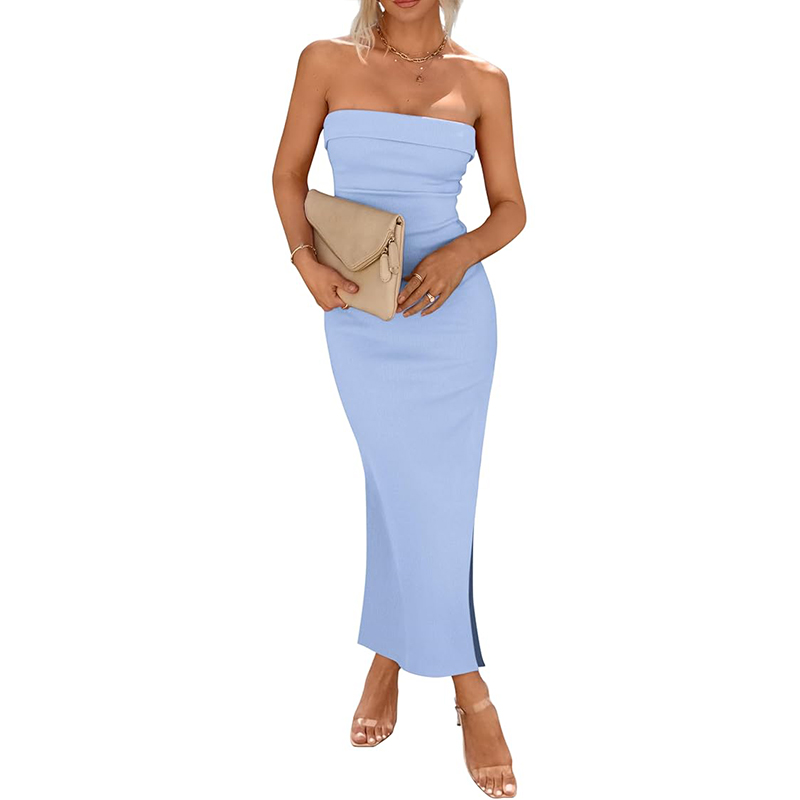
Fashion brands often market full-length garments as universally flattering. However, this "one size fits all" claim presents a frustrating problem for consumers. In reality, choosing the wrong cut can quickly overwhelm your frame. You might end up looking swallowed by excess heavy fabric rather than elegantly draped.
Understanding waistline dynamics solves this common fit issue. The waistline placement dictates the entire structural outcome of the garment.
Natural Waist: This cut sits directly at your anatomical waist. It works best for defining the midsection and creating a classic hourglass illusion.
Empire Waist: Sitting just below the bust line, this style dramatically elongates the lower body. It also offers excellent "bump-friendly" utility for maternity wear.
Drop Waist: This design lowers the waistline toward the hips. It effectively shifts visual focus entirely away from the midsection.
Let's map out the key construction types to help your personal evaluation process. Choosing the right construction directly impacts your daily mobility and comfort.
Construction Type | Key Feature | Best Functional Use |
|---|---|---|
Wrap Style | Adjustable overlapping front tie | Customizing fit across varying body shapes |
Tiered / Cottagecore | Horizontal gathered fabric layers | Adding romantic volume and relaxed airflow |
Bodycon | Form-fitting stretch materials | Showcasing curves (requires side slits for mobility) |
T-Shirt Style | Straight cut using soft jersey knit | Supreme athleisure styling and weekend lounging |
Knowing when to wear specific styles relies heavily on proper fabric evaluation. Material choices dictate whether you look appropriately dressed or completely out of place for an event.
For casual and everyday utility, always prioritize lightweight, breathable materials. Cotton blends and pure linen represent perfect weekend choices. They allow excellent air circulation during warm travel days. You can easily wear these breathable textiles to casual backyard gatherings, farmer's markets, or Sunday brunch.
Formal and special event applications require a strictly different approach. Event-ready options demand elevated, luxurious textiles. Satin, fine silk, and airy chiffon instantly elevate the garment's status. Furthermore, look for structural additions to enhance the formal feel. Asymmetrical necklines and dramatic statement sleeves signal proper elegance for weddings or charity galas.
You also need a solid compliance framework for navigating complex dress codes. Consider the event's formality level before selecting a specific print or material. A bright floral cotton piece often reads far too casual for a black-tie-optional evening. Ensure your selection aligns properly by matching luxury fabrics to formal invitations. Solid jewel tones in silk will always outperform printed cotton at evening affairs.
Mastering the "Focal Point" principle prevents outfit visual clutter. You must let the main garment remain the centerpiece of your look. When wearing bold prints, utilize strategic color-matching rules. Pull one subtle accent color directly from the fabric pattern. Apply this exact shade to your handbag, shoes, or statement jewelry. This technique creates intentional harmony. It stops your accessories from aggressively competing against the dress.
Transitional weather layering maximizes your financial investment across multiple seasons. Try these concrete implementation steps for multi-season use:
Warm Weather: Layer open, sheer overlays over your base garment. Lightweight linen vests also add beautiful dimension without trapping body heat. You maintain a breezy feel while looking intentionally styled.
Cooling Temperatures: Add cropped denim jackets or cropped utility vests. The shorter jacket hem preserves your leg-lengthening proportions. Long bulky cardigans sometimes drag the visual focus downward, so stick to cropped outer layers.
Cold Weather: Introduce heavy textural contrasts to build warmth. Leather moto jackets provide a modern, edgy finish. Alternatively, structured wool coats offer a sophisticated, tailored contrast against soft flowing skirts.
Shoe pairing logic completely dictates your final formality outcome. Flat sandals project casual ease for beach days or relaxed weekends. Wedges provide desirable height without sacrificing outdoor stability on unpredictable grass venues. Strappy heels instantly provide formal elevation for sophisticated evening events. Always align your footwear choice with your intended destination.
The most common wardrobe risk involves the dreaded hemline dilemma. Floor-length garments naturally face dragging and tripping hazards. You must actively decide between shopping specific length ranges or budgeting for professional tailoring. We strongly recommend looking for brands offering dedicated "Petite" or "Tall" sizing ranges. This proactive step prevents delicate fabric from sweeping dirty city sidewalks.
When tailoring isn't an immediate option, use the practical travel knotting hack. Gather excess fabric at one side of your lower leg. Tie it into a neat, small knot at the knee or calf level. You instantly create a functional "faux-midi" or asymmetric hem line. This functional styling trick prevents tripping while walking rapidly through airports or climbing stairs.
Care and maintenance require special attention compared to shorter garments. Floor-length hems easily attract mud stains and rapid physical wear. Differentiate your fabric care routines based on the material. Washable cotton casual pieces usually survive standard machine laundry cycles. However, delicate silk blends almost always require professional dry cleaning to prevent shrinking or color bleeding.
Start your shopping journey with a thorough personal needs assessment. Define your primary use case clearly before browsing. Ask yourself if you need a breathable vacation piece or a sophisticated wedding-guest option. Answering this prevents impulse purchases.
Next, perform a quick cost-per-wear calculation in your head. We recommend prioritizing versatile base colors for frequent weekly wear. Black, navy blue, and olive green seamlessly integrate into existing wardrobes. Reserve bold, highly recognizable prints for specific statement events. You will likely wear neutral solid colors far more often throughout the year.
Your actionable next steps involve careful measurement. Review brand sizing charts diligently before checking out. Filter available online collections by your target occasion and preferred fabric type. By narrowing your focus, you avoid choice paralysis and secure a highly functional garment.
Let's review the core concepts from this comprehensive evaluation guide. High-quality maxi dresses operate as adaptable fashion tools rather than rigid, restrictive categories. Successful adoption relies entirely on selecting the correct waistline, fabric weight, and hem length. Consider your unique body proportions carefully before buying anything new.
Evaluate your local climate to plan effective, comfortable layering strategies. Choose footwear intentionally to either elevate or relax your final outfit. We encourage you to explore curated fashion collections equipped with your new evaluation criteria. Take action today by auditing your current closet and identifying your true style gaps.
A: Yes, petite individuals can absolutely wear them. Seek out designated petite lengths from retailers to avoid expensive tailoring. Utilize empire waistlines, as they sit higher on the torso and visually elongate your leg line. Finally, pair your outfit with comfortable wedges to gain extra height while maintaining stability.
A: The primary difference lies entirely in the hemline placement. A midi dress intentionally stops midway down the calf muscle. In contrast, a true maxi design extends fully down to the ankle or grazes the floor. This extended length provides maximum coverage and a distinctively sweeping silhouette.
A: Secret layering provides the ultimate winter solution. Wear hidden thermal base layers or fleece-lined tights underneath the long skirt. On top, always pair the dress with fitted, cropped outerwear like a tailored leather jacket. This strategy traps body heat while strictly maintaining your natural shape and avoiding visual bulk.
A: They easily meet workplace compliance if styled correctly. Select solid base colors or very subtle, muted prints. Prioritize structured fabrics over thin, clingy jersey materials. Ensure the neckline remains conservative for office standards. Finally, layer a tailored blazer over the top to instantly professionalize the entire look.


